BRETT BENTMAN TALKS THE GUARDSMEN
"My true love is probably still the writing"
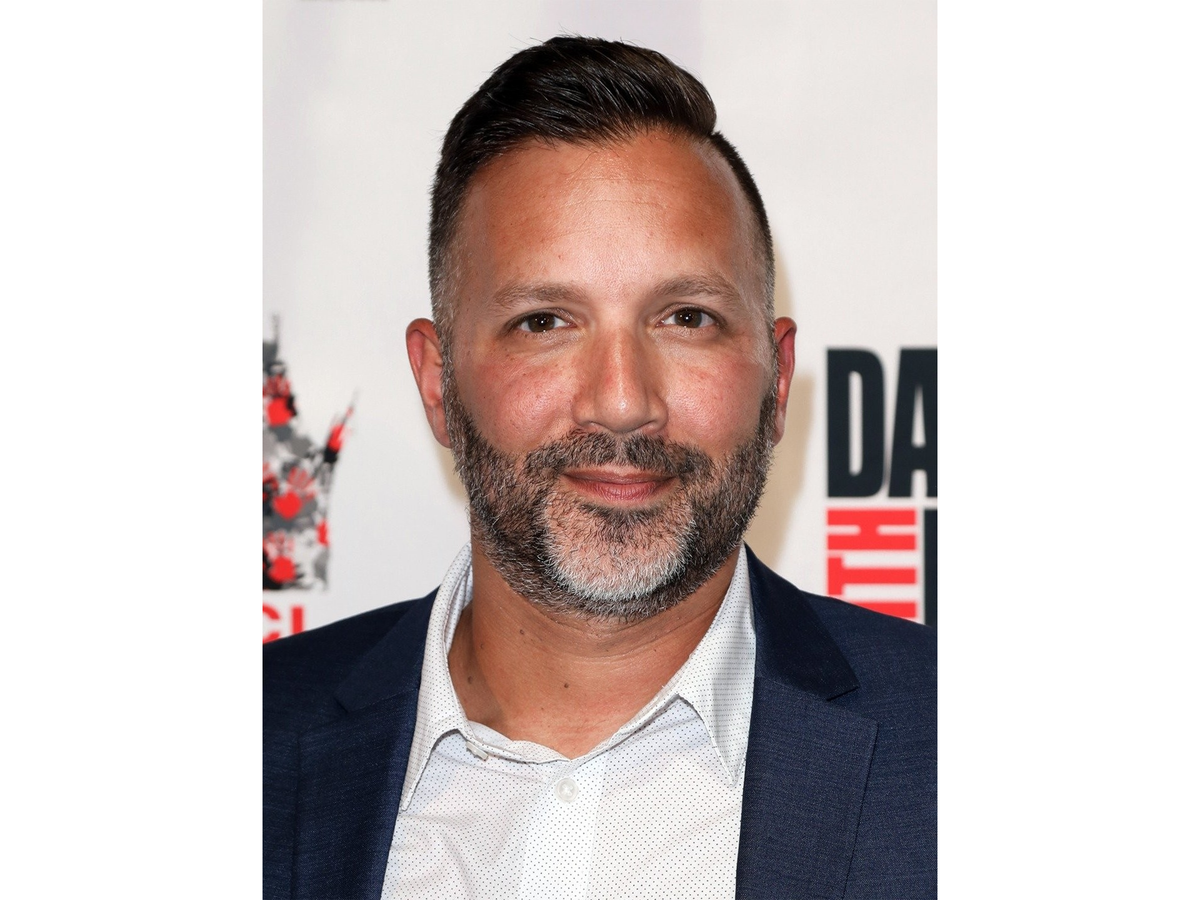
 Daniel John
You are known for your work across many genres. But this is also not your first rodeo, as to speak, with a western. In all its grit, what is the beauty of westerns?
Westerns are not a genre of films I thought I would ever take such a deep dive into, it sort of fell into my lap, so to speak. But there is a real romance within them. I didn't grow up watching western films nor do I really have a "favorite" by any means, but as we've been lucky enough to tell so many different stories that occur in the Old West, I have learned that contrary to popular perception, the Old West was much more peaceful than most American cities today. The real culture of violence on the frontier, within the latter half of the 19th century, sprang from the Government's policies during that time. If anything, that's the story to tell, the struggle between freedom and law, that story still resonates today in the year we are in.
‘The Guardsmen’ is a three-part trilogy, chronicling the Oklahoma-guardsmen tracking down outlaws in the wild west. What was making this into a trilogy like. Did you lock the first before the second and third or shoot the films back–to–back?
At the time, 'The Guardsmen' was the largest scope of project we'd taken on as a production-company. Three films in a month, all told at the same time with multiple storylines and characters that come and go, it was a brutal process of keeping all the schedules in tact. We also filmed in two states so there were logistical issues with that as well. On top of the production nightmare that comes with any project worth doing, we had actors rotating and the trilogy's buyer back out completely. We just went with the flow and allowed our distribution-partner to find a new home for the films while we sweated it out on set. It's always nice to have backers that keep ahead of the bouncing ball so we can focus on the story part of this business. We never stopped believing in the trilogy, and we are very proud of the way the films turned out.
When did you know you wanted to make movies?
I started out as a writer in college and never had any success selling any of my scripts. A friend asked me to direct a short film in Austin and from then on, my career just started to move forward into feature films. My true love is probably still the writing aspect of the business. It's clean, easy, and you get to be left alone to hone in on your story without outside influences over your shoulder. All that changes when you get the dreaded script notes, but it's all part of the process.
What does your process as a writer, conceiving a film from the beginning, also add your approach directing?
Being a writer and director is a double edged sword in many regards. You get to clearly create the vision and execute it, mainly because it's been your baby since conception. The flip side to that coin is you need others, hopefully smarter than you, to steer you back to calm waters if you start to drift away from home. I can absolutely be so much in the zone that I forget that everyone else on set has a job to do. When you know what you want, you just want it, immediately. It doesn't always work that way on set, things can take time or move slowly and that's where I struggle as a professional the most. I want what I want, when I want it, luckily my team works with us so hand in hand that they know this and we are able to find a happy medium of speed and quality while on set together.
Is there any film you wrote, but did not direct, that you would've taken down a different path yourself?
There was a film I wrote in 2016 called 'Element' that was directed by someone else and helmed by a group of very inexperienced, novice producers that led to the film's horrific demise. I was on set for a total of three days and was able to see the process from the sidelines and I could tell instantly that no one had a clue what was going on. I was dying on the inside. It was like seeing your child grow up and being disappointed in them, you wait your whole life to get to that point, only to see your hard work ruined. It is a film I get it, but I felt helpless. There were so many issues on that set but the one that sticks with me the most was the casting of many key roles in the film. All those roles were handed to the "producers" instead of them being casted. I was floored, many of these people had no experience acting or just flat out weren't very good and these are main characters. It crushed me at the time. But you know what they say, right, you learn to make a film by learning how not to make one. I guess, the best validation I get out of all of that is that my career is thriving while mostly all of those people that were part of the film's creative mind are nowhere to be found. I feel that you can not fake your way to the middle of the industry, you either know what you are doing, or you don't.
You do a lot of things on set, but you do not do all of it, as film-making is quite literally a labour of love for you, you co-founded B22 Films together with your wife, Tiffany McDonald, who produces the films alongside various other things behind and in front of the camera?
Tiffany and I are a duo. We talk about films twentyfour-seven, every day of every week in every month. It's our profession. She does a lot of the tasks I no longer enjoy and I do the ones she doesn't hold any interest in working on. It's a nice balance. Do we argue? Sure. Have I made her cry on set? Only once! In all seriousness, we've done some wonderful projects together and then we've done some that just pay the bills. We keep one another accountable, and the pep talks start early and often. Look, this business isn't for weak minded individuals, everyone talks behind your back and in the Texas–film market, no one wants you to succeed, but the thing about B22 Films is that we just keep moving forward, we don't care if you don't like us or the content. We are building a brand, and we are both very proud of it to this point. The thing that I keep going back to when things get sticky is that the first person through the wall always gets bloody, and an original is always more valuable than a copy.
Your genre-spanning body of work recalls the filmmakers who once ruled the westerns of old, especially in Europe. Someone like Ernesto Gastaldi, for instance, who beyond classics like 'My Name is Nobody', 'Sartana' and 'The Great Duel', seemed to do it all. Your resumé could easily rival his in scope. Are there stories far removed from "the Old West" that you are working on?
We've done a lot of westerns but we have also done a ton of science fiction-projects that have done really well. Our 'Andromeda' series has four films in it and we spawned a timeline out of that storyline called 'Space Ranger', which has a sequel in the works now. We've also done a bunch of meteor themed films and shark movies. The 'Bull Shark' trilogy is consistently one of our top performers in all markets and the baseball-abuse drama '90 Feet From Home' is always selling really, really well. Platforms want what they want. We make the films our financers want to see, we get paid, and we move on to the next project. A couple times a year we focus on a passion-project here and there but those rarely pay the bills. Everyone thinks their movie idea is worth a billion dollars, but it rarely is, and bigger names and bigger budgets don't always make you rich. In fact, in my experience, the only rich people on our sets are the people that came there already wealthy to begin with. Filmmakers need to do more research on markets and streaming and what stories are selling and to whom. Only Hollywood has the ability to make a film within a genre that no one cares about and shove it down our throats. But everyone else, who is not working for a big five studio, should reevaluate. Is making a meteor film what we signed up for? No way. But, does it beat putting a suit and tie on at five am every morning? Absolutely. I think we get in our own way a lot of the time. The future here at B22 is bright. Our budgets are growing, the projects are widening and we are moving into projects such as 'Gunner', a jet fighter film, a dinosaur creature feature and a dozen or so other fun projects over the next twelve months. Onward and upward!